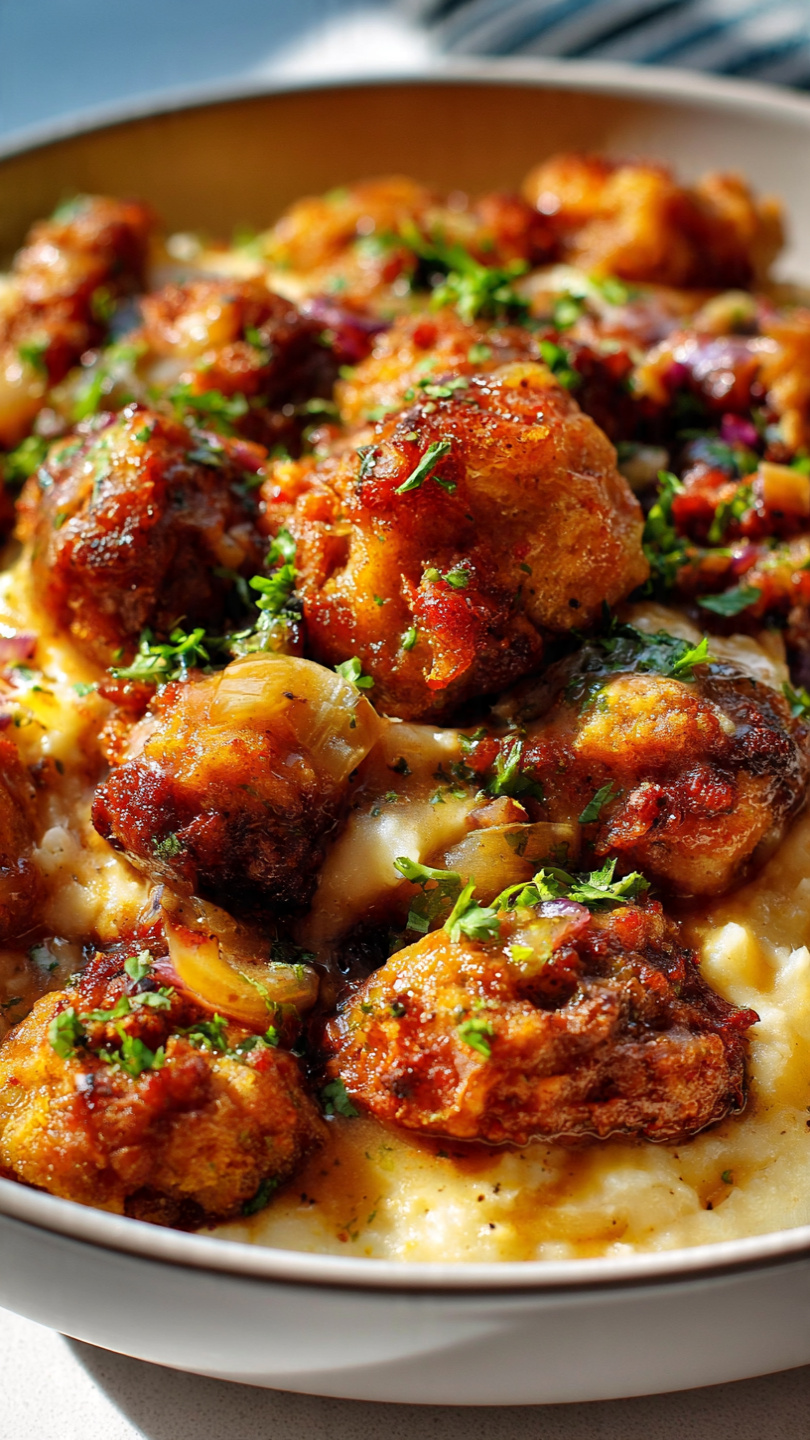
Country Fried Cubed Steak and Gravy
Crispy, golden country fried cubed steak smothered in rich, peppery homemade gravy is the ultimate Southern comfort dinner your family will beg for every week.

The Southern Comfort Dinner That Never Gets Old
There are weeknight dinners, and then there is country fried cubed steak and gravy, a dish that turns an affordable cut of beef into something genuinely extraordinary. Crispy, seasoned breading wraps around a tender, tenderized steak, and then comes the gravy: thick, peppery, deeply savory and spooned over the top in generous pools. It is the kind of meal that makes everyone at the table go quiet for a moment in the best possible way.
This is the recipe your grandmother made on a budget and your favorite diner has been serving for decades. Once you nail the technique, you will reach for these fried cubed steak recipes again and again.
Why Cubed Steak Is the Unsung Hero of Budget Cooking
Cubed steak, sometimes labeled as minute steak, is a cut of beef (usually top round or top sirloin) that has been run through a mechanical tenderizer, leaving those characteristic cube-shaped markings on the surface. That tenderizing process is a huge advantage here: it means the meat cooks quickly, stays juicy, and soaks up the seasoned flour coating beautifully.
If you have ever wondered about recipes using cubed steak beyond the usual slow cooker braise, frying it country style is genuinely the best thing you can do with this cut. The texture is worlds apart from a tough roast, and the crispy crust adds a dimension of flavor that is impossible to resist.
Chef's Tip: Look for cubed steaks that are roughly the same thickness for even frying. If yours vary a lot, give the thicker ones a few extra whacks with a meat mallet before breading.
The Secret to That Shatteringly Crispy Crust
Getting that crust right is the heart of every great fried cubed steak recipe. A few non-negotiable steps make all the difference:
- Dry the meat thoroughly. Moisture is the enemy of crispiness. Pat every steak bone-dry before it touches the flour.
- Double dredge. Flour, egg wash, flour again. Press firmly each time so the coating really grips the meat.
- Let it rest. After breading, set the steaks on a wire rack for at least 5 minutes. This short rest lets the coating bond to the surface so it does not fall off in the oil.
- Hot oil, not crowded pan. Fry at 350 degrees F and never fry more than two at a time. Crowding the pan drops the oil temperature and leads to a greasy, soggy crust.
The seasoning in the flour is what separates a good fried cube steak and gravy from a great one. Smoked paprika, garlic powder, onion powder, and a pinch of cayenne give the crust real depth without overwhelming the beef.
Using the right pan makes a serious difference here. A well-seasoned cast iron skillet holds heat evenly and develops that gorgeous fond on the bottom of the pan, which becomes the flavor base for your gravy. The right ingredients matter just as much as technique.
Building the Best Peppery Milk Gravy
Once your steaks are resting in the warm oven, do not clean that skillet. Those browned bits clinging to the bottom are pure flavor. You are going to build a classic Southern milk gravy right in that same pan, and it takes less than 10 minutes.
The method is simple:
- Leave about 3 tablespoons of the frying oil in the pan and add butter.
- Whisk in flour to form a roux and cook it for a full minute or two until it smells nutty and golden.
- Stream in warm milk and a splash of broth while whisking constantly.
- Season aggressively with salt and plenty of freshly cracked black pepper. Country gravy should have a real peppery bite.
The broth is a small addition but it adds a savory backbone that milk alone cannot quite achieve. Think of it as the secret move that makes your homemade version taste like something from a proper Southern kitchen.
Chef's Tip: Warm your milk before adding it to the roux. Cold milk added to a hot roux is one of the main reasons gravies develop stubborn lumps.
How This Compares to Salisbury Steak
People sometimes wonder about the difference between country fried steak and homemade Salisbury steak. While both are beloved American beef dishes smothered in gravy, they are quite different. Salisbury steak is made from seasoned ground beef formed into patties and simmered in a brown onion or mushroom gravy. Country fried steak starts with a whole tenderized cut, breaded and pan-fried for a completely different texture and flavor profile. Both are deeply satisfying, but the crispy crust on country fried cubed steak puts it in a category of its own.
Ready to make the best country fried cubed steak of your life? Here is the full recipe:
Country Fried Cubed Steak and Gravy
Crispy, golden country fried cubed steak smothered in rich, peppery homemade gravy is the ultimate Southern comfort dinner your family will beg for every week.
Ingredients
- 4 cubed steak, about 6 oz each, tenderized
- 1 1/2 cups all-purpose flour, divided
- 2 large eggs, beaten
- 1/2 cup whole milk, for egg wash
- 1 tsp garlic powder
- 1 tsp onion powder
- 1 tsp smoked paprika
- 1/4 tsp cayenne pepper, optional, for heat
- 1 1/2 tsp kosher salt, divided
- 1 tsp black pepper, freshly cracked, divided
- 1/2 cup vegetable oil, for frying
- 3 tbsp unsalted butter, for the gravy
- 3 tbsp all-purpose flour, for the gravy roux
- 2 cups whole milk, warmed, for the gravy
- 1/2 cup chicken or beef broth, for the gravy, adds depth
Instruction
Pat the cubed steaks completely dry with paper towels and season both sides with 1 teaspoon of salt and 0.5 teaspoon of black pepper. Set aside.
In a shallow dish, whisk together 1.5 cups flour, garlic powder, onion powder, smoked paprika, cayenne, 0.5 teaspoon salt, and 0.5 teaspoon black pepper.
In a second shallow dish, whisk together the eggs and 0.5 cup milk until combined.
Dredge each steak in the seasoned flour, pressing firmly so it adheres, then dip into the egg wash, letting excess drip off, then back into the flour. Press again so the coating is thick and even. Let the coated steaks rest on a wire rack for 5 minutes.
Heat the vegetable oil in a large cast iron skillet or heavy-bottomed pan over medium-high heat until it reaches 350 degrees F (175 degrees C) or a pinch of flour sizzles immediately on contact.
Fry the steaks in batches of 2, being careful not to crowd the pan, for 3 to 4 minutes per side until deep golden brown and cooked through. Transfer to a wire rack set over a baking sheet and keep warm in a 200 degree F (90 degrees C) oven.
Pour off all but about 3 tablespoons of the frying oil from the skillet. Reduce heat to medium. Add the butter and let it melt, scraping up the browned bits from the bottom of the pan.
Sprinkle 3 tablespoons of flour into the butter-oil mixture and whisk constantly for 1 to 2 minutes until the roux is golden and smells nutty.
Slowly pour in the warmed milk and broth, whisking vigorously the entire time to prevent lumps. Continue whisking over medium heat for 4 to 5 minutes until the gravy thickens to a pourable, creamy consistency.
Season the gravy generously with salt and freshly cracked black pepper. Taste and adjust seasoning as needed.
Plate the fried cubed steaks and ladle the hot peppery gravy generously over the top. Serve immediately with mashed potatoes or biscuits.
Equipment
- Large cast iron skillet or heavy-bottomed frying pan
- Two shallow dishes or pie plates for dredging
- Wire rack set over a baking sheet
- Instant-read thermometer
- Whisk
- Tongs
- Ladle
Notes
Serving Ideas and What to Serve Alongside
This dish is built for generous, comforting sides. Here is what works best:
- Creamy mashed potatoes are the classic pairing. The gravy doubles as the sauce for both the steak and the potatoes.
- Buttermilk biscuits are perfect for soaking up every last drop of gravy on the plate.
- Southern-style green beans braised with a little bacon bring a welcome savory contrast.
- Coleslaw adds crunch and a slight tang that cuts through the richness beautifully.
For a lighter weeknight version, serve the steaks over steamed rice with the gravy poured over the top. It stretches the servings further and still delivers every bit of that comfort food satisfaction.
Storing and Reheating Like a Pro
Leftovers, if you have any, keep well in the fridge for up to 3 days. The key to reheating fried cubed steak is the oven, not the microwave. A 375 degree F oven for about 10 minutes on a wire rack brings the crust back to life. Store the gravy separately in a jar or container and reheat it on the stovetop with a splash of milk, whisking as it warms to restore that silky texture.