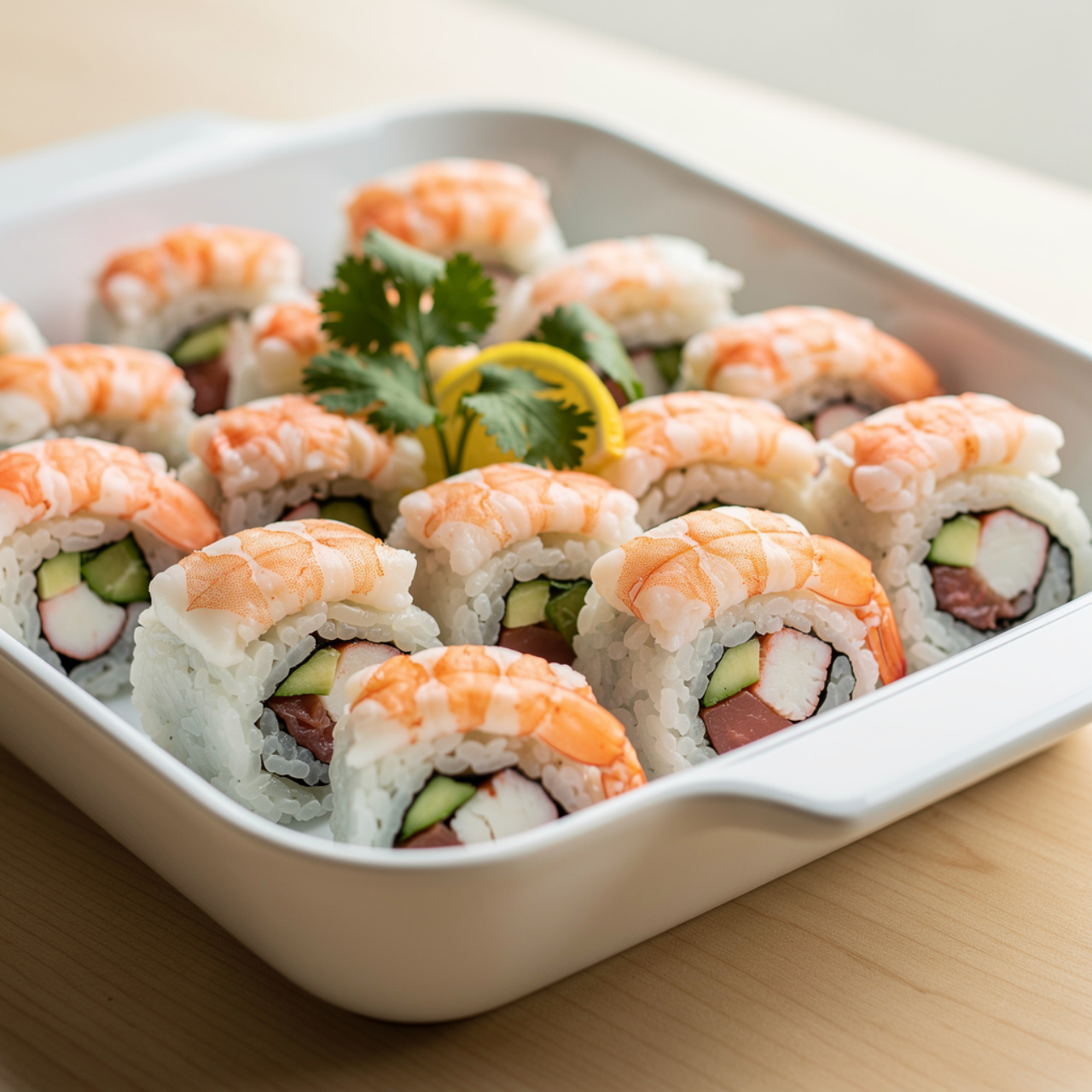
Shrimp Sushi Rolls: Fresh, Flavorful, and Easier Than You Think
These homemade shrimp sushi rolls are packed with tender shrimp, creamy avocado, and seasoned sushi rice, all wrapped in crispy nori for a restaurant-quality bite you can make at home.

The Homemade Shrimp Sushi Roll You Will Actually Want to Make on a Weeknight
There is something undeniably satisfying about a perfectly rolled sushi hand roll sitting in front of you, and something even more satisfying about knowing you made it yourself. Shrimp sushi rolls hit every note: the tender, savory shrimp, the cool crunch of cucumber, the buttery richness of avocado, all tucked inside seasoned sushi rice and a sheet of toasted nori. Whether you are chasing a spicy shrimp stack, a shrimp avocado sushi stack, or a classic maki-style roll, this recipe covers every variation with clear steps that actually work.
This is not a recipe that demands professional training. What it does demand is a little patience with the rice and a willingness to practice the roll. By the second one, you will already have your technique down.
Why This Recipe Works So Well
The secret to a great shrimp sushi roll lives in three places: properly seasoned rice, well-dried shrimp, and a confident roll.
Sushi rice is not just steamed rice. It gets a glossy, slightly tangy finish from a mixture of rice vinegar, sugar, and salt folded in while the rice is still warm. That seasoning is what makes each bite taste complete even before you dip it in soy sauce.
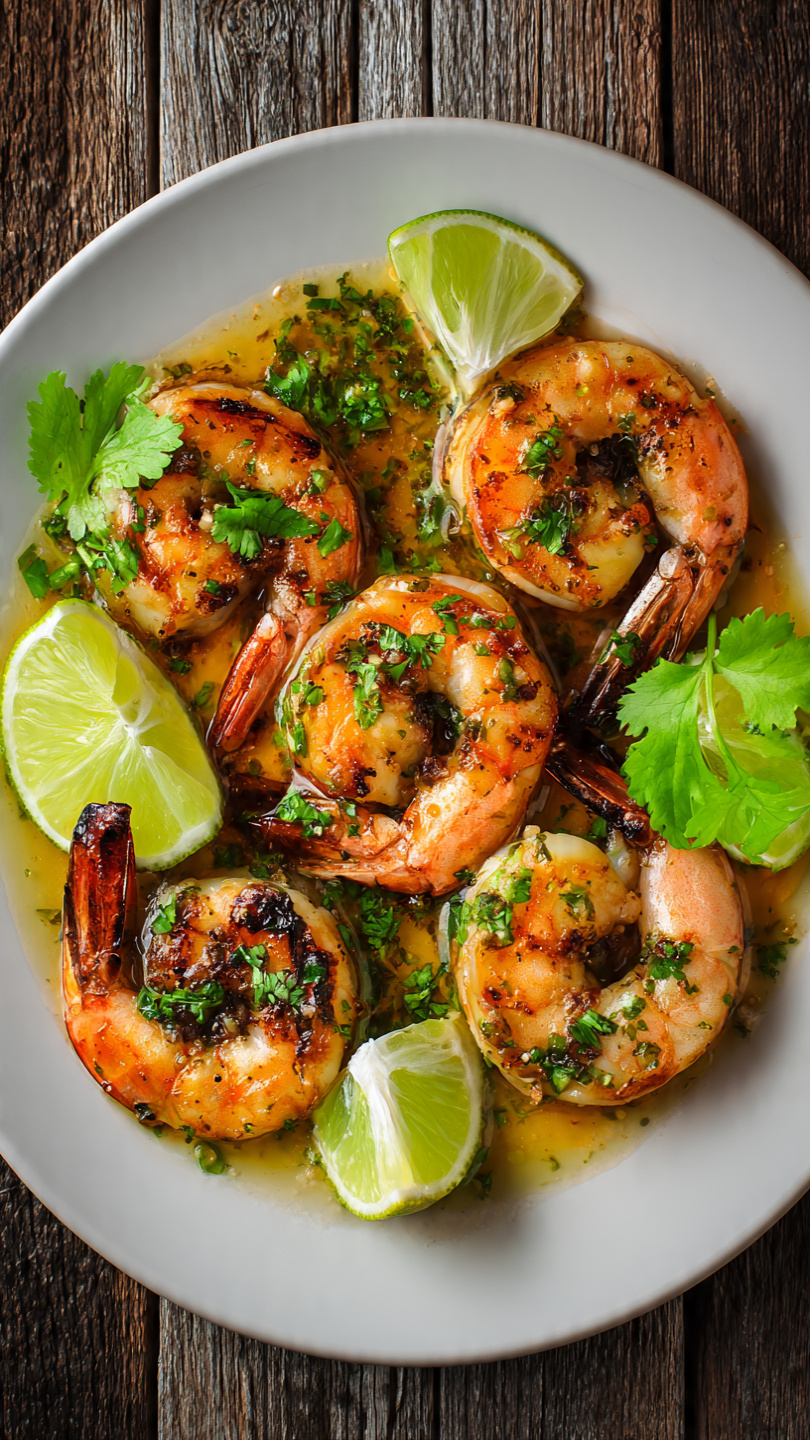
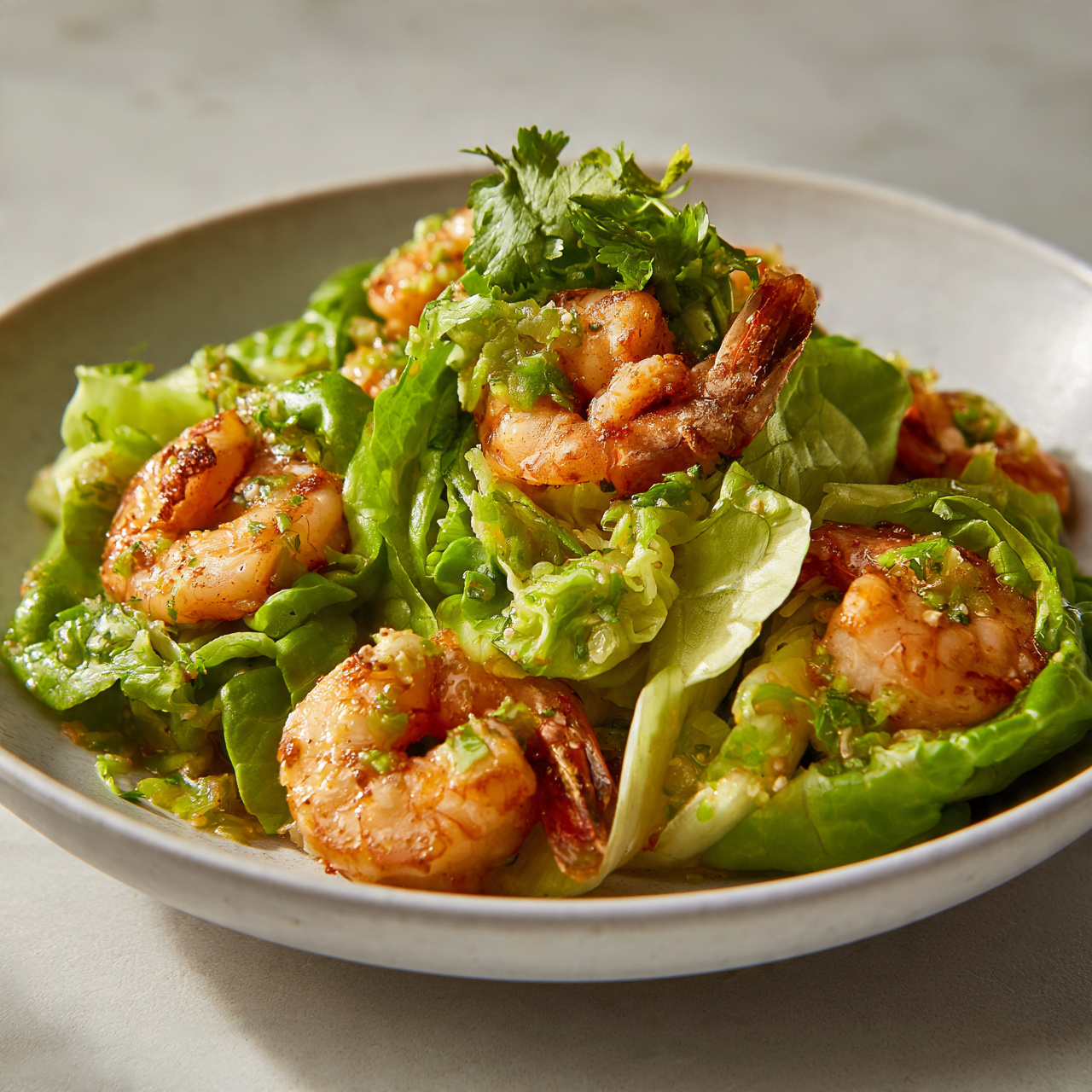
The shrimp are quickly seared with a touch of soy sauce and sesame oil, which gives them a savory depth that raw or plain steamed shrimp simply cannot match. This small step is what separates a bland roll from one that tastes like it came from a good restaurant. If you are going for a spicy California shrimp stack vibe, the sriracha mayo you drizzle inside takes things up another level entirely.
The roll itself is easier than it looks. A bamboo mat and a sheet of plastic wrap give you the control you need, and wetting your hands before handling the rice prevents every sticky situation you are imagining right now.
Chef's Tip: Fan the rice as you season it. This cools it down quickly and gives it that signature slightly glossy, just-sticky-enough texture. Skipping this step leaves you with gluey, clumped rice that is hard to spread.
Shrimp Sushi Stack vs. Classic Rolls: Which Should You Make?
If rolling feels intimidating or you want a stunning presentation with less technique, the shrimp avocado sushi stack is your answer. Instead of rolling, you simply layer seasoned rice, sliced avocado, and your spicy shrimp mixture into a small ring mold or a clean tuna can with both ends removed. Press gently, unmold onto the plate, and finish with sesame seeds and a drizzle of spicy mayo. The result looks like something from a trendy brunch spot and takes about five minutes to assemble.
Both the classic roll and the shrimp sushi stack use the same ingredients, so you can decide which format suits your mood or your crowd.
The Tools and Ingredients That Actually Make a Difference
Sushi is one of those recipes where the quality of a couple of key ingredients genuinely shows up in the final dish. Kewpie mayonnaise instead of standard mayo makes the spicy sauce noticeably creamier and richer. Short-grain Japanese sushi rice holds together in a way that long-grain rice simply does not. A sharp knife is non-negotiable for clean cuts without dragging or squashing the roll.
Having the right tools on hand makes the process significantly smoother and more enjoyable.
Building Your Spicy Mayo and Fillings
The spicy mayo is just two ingredients: sriracha and Kewpie mayo. Start with a 1-to-3 ratio of sriracha to mayo and adjust from there. You want it creamy with a gentle heat that builds, not an immediate burn that overpowers the shrimp.
For the fillings, keep things simple and fresh:
- Avocado sliced thin so it folds easily inside the roll without tearing the nori
- Persian cucumber julienned for a clean crunch that does not release too much water
- Shrimp chopped into pieces after searing so every bite has some
This combination is the heart of the shrimp avocado rice stack concept. The creaminess of the avocado, the brightness of the cucumber, and the savory warmth of the shrimp work together in a way that feels genuinely balanced rather than just thrown together.
Chef's Tip: If your avocado is very ripe, place the slices in the center of the roll rather than at the edges. This prevents it from squishing out the sides when you apply pressure with the mat.
How To Roll Without Losing Your Mind
Here is the quick version of what makes the roll work:
- Cover your bamboo mat with plastic wrap so the rice does not stick to it.
- Wet your hands before every time you touch the rice.
- Spread the rice thin. Thin rice means a tighter, neater roll.
- Roll with even, firm pressure from both hands rather than squeezing from one side.
- Dip your knife in water between every single cut. This is the step most people skip and immediately regret.
Ready to dive into the full step-by-step? Here is everything you need:
Shrimp Sushi Rolls: Fresh, Flavorful, and Easier Than You Think
These homemade shrimp sushi rolls are packed with tender shrimp, creamy avocado, and seasoned sushi rice, all wrapped in crispy nori for a restaurant-quality bite you can make at home.
Ingredients
- 2 cups sushi rice, uncooked, short-grain
- 2 1/2 cups water, for cooking rice
- 3 tbsp rice vinegar, unseasoned
- 1 tbsp granulated sugar
- 1 tsp fine sea salt
- 1 lb large shrimp, peeled, deveined, tails removed
- 2 tbsp soy sauce, for seasoning shrimp
- 1 tsp sesame oil, toasted
- 1/2 tsp garlic powder
- 1 tbsp sriracha, adjust to taste for spicy shrimp stack variation
- 3 tbsp mayonnaise, Japanese Kewpie preferred
- 4 nori sheets, full size, toasted
- 1 ripe avocado, peeled, pitted, thinly sliced
- 1 Persian cucumber, julienned
- 1 tbsp sesame seeds, toasted, for garnish
- 2 tbsp pickled ginger, for serving
- 1/4 cup soy sauce or tamari, for dipping
- 1 tsp wasabi paste, optional, for serving
Instruction
Rinse the sushi rice in cold water until the water runs clear, about 3 to 4 rinses. Combine the rinsed rice and 2.5 cups of water in a medium saucepan. Bring to a boil, then reduce heat to the lowest setting, cover tightly, and cook for 18 minutes. Remove from heat and let steam, covered, for 10 minutes.
While the rice cooks, whisk together the rice vinegar, sugar, and salt in a small bowl until the sugar fully dissolves. Transfer the cooked rice to a large wooden or glass bowl. Drizzle the seasoning mixture over the rice and fold gently with a rice paddle or wooden spoon using wide, sweeping motions. Fan the rice as you fold to help it cool to room temperature. Do not refrigerate.
Pat the shrimp completely dry with paper towels. In a bowl, toss the shrimp with soy sauce, sesame oil, and garlic powder. Heat a skillet over medium-high heat and cook the shrimp for 1 to 2 minutes per side until pink and slightly charred at the edges. Remove from heat and let cool slightly, then chop into bite-size pieces.
Stir together the sriracha and mayonnaise in a small bowl to make the spicy mayo sauce. Taste and adjust the heat level by adding more sriracha if desired.
Place a bamboo sushi mat on your work surface and lay a sheet of plastic wrap over it. Place one nori sheet shiny-side down on the plastic wrap. Wet your hands to prevent sticking, then spread a thin, even layer of seasoned rice over the nori, leaving a 1-inch border at the far edge.
Arrange a line of avocado slices, julienned cucumber, and seasoned shrimp pieces horizontally across the center of the rice. Drizzle a small amount of spicy mayo over the fillings.
Using the bamboo mat, lift the near edge of the nori and roll it firmly over the filling, tucking it snugly as you go. Apply gentle, even pressure as you roll to the far edge. Seal the roll by pressing the bare nori strip against the roll. Repeat with remaining ingredients.
Using a sharp knife dipped in water, slice each roll into 8 even pieces using a single, confident stroke without sawing. Wipe and re-wet the blade between cuts for clean edges.
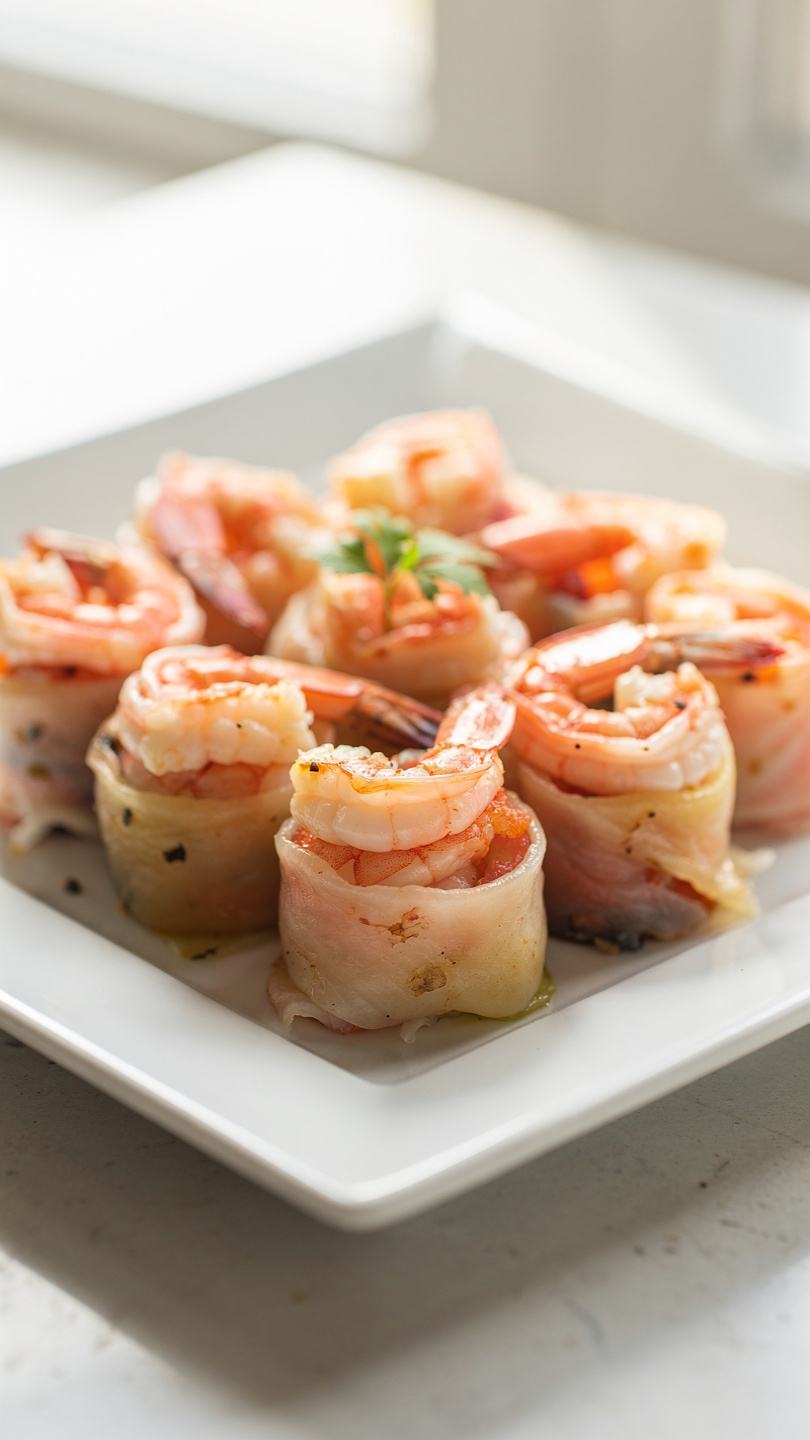
Arrange the sliced rolls on a platter. Sprinkle with toasted sesame seeds and serve immediately with soy sauce, pickled ginger, and wasabi on the side.
Equipment
- Medium saucepan with tight-fitting lid
- Large wooden or glass mixing bowl
- Bamboo sushi rolling mat
- Plastic wrap
- Sharp chef's knife
- Rice paddle or wooden spoon
- Medium skillet
- Small mixing bowls
Notes
Serving, Storing, and Switching It Up
Serve your shrimp sushi rolls immediately alongside small bowls of soy sauce or tamari, a mound of pickled ginger, and wasabi if you like the heat. Sesame seeds scattered over the top add a subtle nuttiness and a bit of visual flair.
Leftovers can be wrapped tightly in plastic and refrigerated for up to one day. The nori will soften, so same-day eating is always the goal with sushi.
Variations worth trying:
- Spicy shrimp stack: Add a pinch of cayenne to the shrimp seasoning and top the stack with thinly sliced jalapeño
- Seared salmon avocado sushi roll: Swap the shrimp for thinly sliced seared salmon for a richer, buttery take
- Blackened shrimp version: Coat the shrimp in a blackening spice blend before searing for a bold, smoky Southern-Japanese mashup
- Inside-out roll: Flip the rice to the outside of the nori and roll with sesame seeds pressed into the exterior for a classic California roll aesthetic
However you build it, shrimp sushi rolls are one of those recipes that rewards you every time. Once you get the rice right and find your rolling rhythm, you will find yourself making these on a regular rotation.