Mongolian Beef
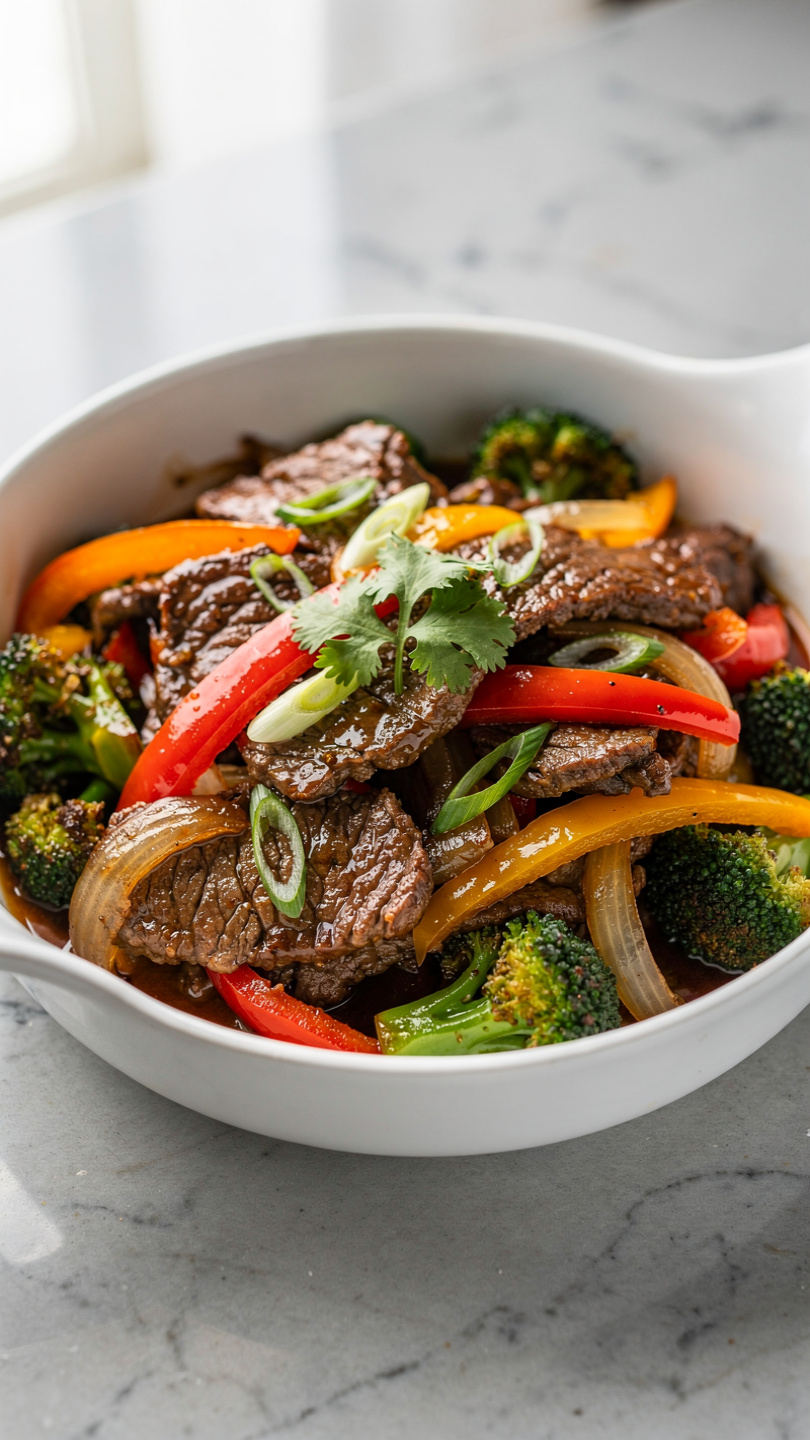
Tender sliced beef in a glossy, sweet-savory garlic sauce, ready in 25 minutes and faster (and better) than takeout.

Why You Will Love This Mongolian Beef
If you are a fan of sliced beef Asian recipes, this Mongolian beef is about to become a weeknight staple. Crispy, caramelized strips of steak get tossed in a sticky garlic sauce that is sweet, salty, and just a little spicy. It comes together faster than delivery and tastes better than most restaurant versions of this Asian beef dinner.
Think of it as a cousin to other braised beef with green onions dishes, but with a quicker, hotter cooking method that locks in a crisp, almost candied exterior on the beef before it gets coated in sauce. It is everything you want from Asian beef tips without the long marinating or stewing time.
Before we get cooking, the right tools and ingredients make a real difference here. A well-seasoned wok or heavy skillet helps you get that proper sear on the beef, and using real soy sauce and fresh ginger instead of bottled substitutes changes the whole flavor profile. These are the products that genuinely help this recipe shine:
The Secret to Crispy, Tender Beef
The cornstarch coating is doing a lot of heavy lifting here. It seals in the juices of the beef while frying and creates a light, crisp crust that soaks up the sauce beautifully instead of going soggy. This is the same trick used in a lot of stewed beef with green onions recipes, just adapted for a fast pan-fry instead of a slow braise.
Chef's Tip: Do not skip patting the beef dry before tossing it in cornstarch. Excess moisture is the enemy of a crispy sear and will cause the oil to spatter.
Slicing against the grain is just as important as the cornstarch. It shortens the muscle fibers so every bite stays tender instead of chewy, which matters a lot when you are working with a leaner cut like flank steak.
Building the Sticky Garlic Sauce
The sauce is where this dish earns its place among the best Asian beef recipe ingredients lists online. Garlic and ginger get bloomed in hot oil first, which wakes up their aroma before the soy sauce, water, and brown sugar go in. As it simmers, the sugar dissolves and the sauce reduces into something glossy and clingy, exactly what you want coating each piece of beef.
Green onions are stirred in right at the end so they stay slightly crisp and bright rather than wilting completely into the sauce. If you like a little heat, a pinch of red pepper flakes rounds out the sweetness nicely.
Ready to make it? Here is the full step-by-step recipe:
Mongolian Beef
Tender sliced beef in a glossy, sweet-savory garlic sauce, ready in 25 minutes and faster (and better) than takeout.
Ingredients
- 1 lb flank steak, sliced thin against the grain
- 1/4 cup cornstarch, plus 1 tsp for the sauce
- 1/2 cup vegetable oil, for frying, divided
- 1 tbsp garlic, minced, about 3 cloves
- 1 tsp fresh ginger, grated
- 1/2 cup soy sauce, low sodium preferred
- 1/2 cup water
- 1/2 cup brown sugar, light or dark
- 4 green onions, cut into 1-inch pieces, plus extra for garnish
- 1/4 tsp red pepper flakes, optional, for heat
- 4 cups cooked white rice, for serving
Instruction
Toss the sliced flank steak with the cornstarch in a large bowl until every piece is evenly coated, then let it sit for 10 minutes.
Heat the vegetable oil in a large skillet or wok over medium-high heat until shimmering.
Working in batches, fry the beef for 1 to 2 minutes per side until crisp and golden, then transfer to a paper towel-lined plate.
Pour off most of the oil, leaving about 1 tablespoon in the pan, then add the garlic and ginger and saute for 30 seconds until fragrant.
Stir in the soy sauce, water, and brown sugar, then bring the mixture to a gentle simmer, stirring to dissolve the sugar.
Let the sauce simmer for 2 to 3 minutes until it starts to thicken slightly.
Return the crispy beef to the pan along with the green onions and red pepper flakes, tossing to coat everything in the glossy sauce.
Simmer for 1 to 2 more minutes until the sauce clings to the beef and turns deep and glossy.
Serve immediately over hot rice, garnished with extra green onions.
Equipment
- Large skillet or wok
- Mixing bowl
- Tongs
- Paper towels
- Sharp knife
Notes
Serving Suggestions and Smart Swaps
This Mongolian beef is built to sit on top of a big bowl of steamed white rice, soaking up every drop of that sauce, which makes it a natural fit for a Japanese meal with rice and beef kind of night, even though this particular dish leans more Americanized Chinese takeout in origin. It is just as good spooned over rice noodles if you want something closer to a Japanese beef stir-fry with rice experience, or piled into lettuce cups for a lighter option.
For a more complete ingredients for beef rice bowl setup, add a quick side of steamed broccoli or snap peas. Their slight crunch and color play really well against the rich, dark sauce.
- Swap flank steak for sirloin or skirt steak if that is what your butcher has on hand
- Add steamed broccoli directly into the skillet during the last minute of cooking for a one-pan meal
- Use coconut sugar in place of brown sugar for a slightly different, less cloying sweetness
Storing and Reheating
Leftovers hold up surprisingly well. Let the beef cool, then store it in an airtight container in the fridge for up to three days. Skip the microwave if you can, since it tends to turn that crisp coating soft and a bit gummy. A quick toss in a hot, dry skillet for a minute or two brings back much of the original texture and warms everything through evenly.
This recipe also freezes reasonably well for up to a month, though the texture of the beef will soften slightly once thawed. Either way, you are looking at one of the easiest Asian beef dinner options you can put together on a busy night, with leftovers that are honestly almost as good the second time around.