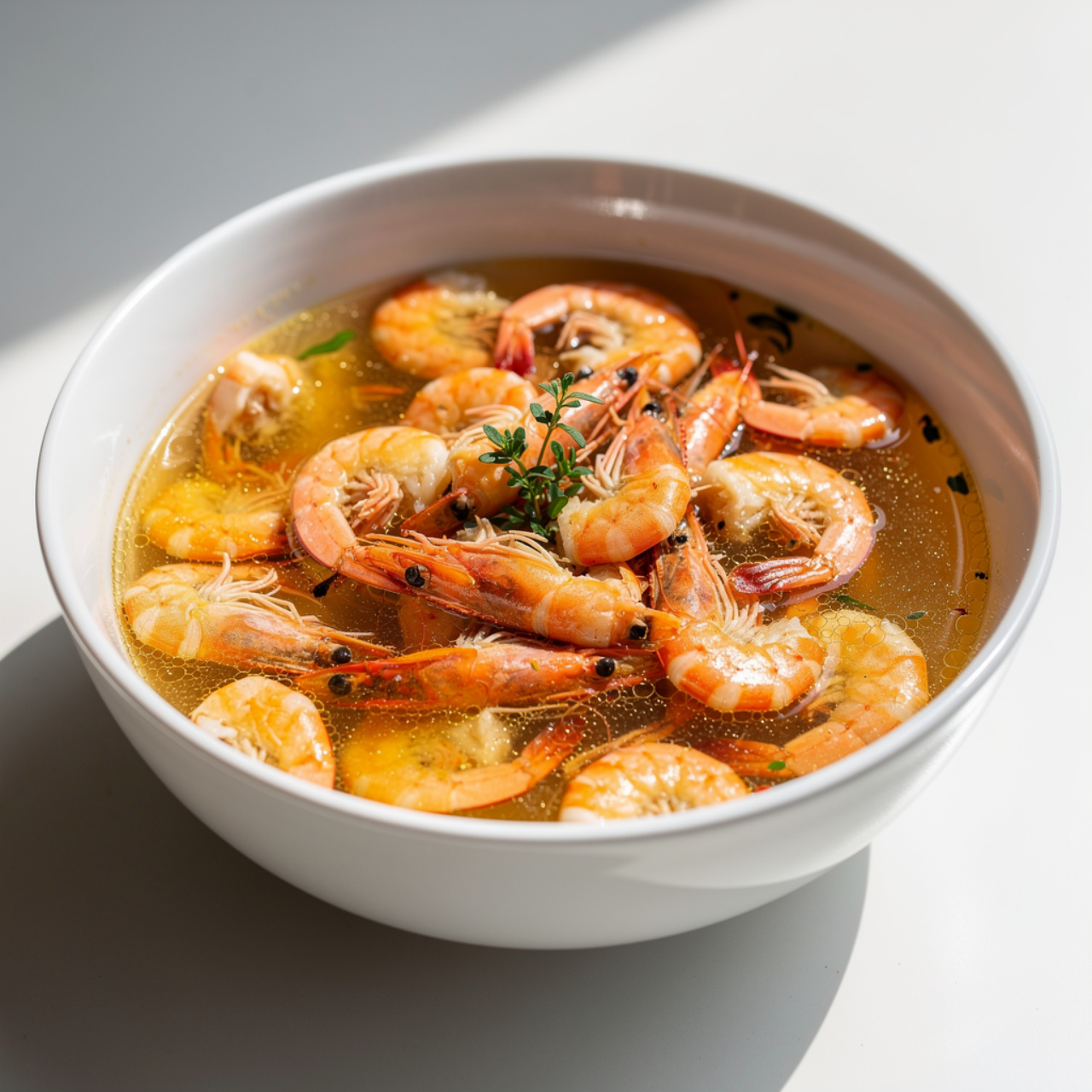
Homemade Shrimp Stock from Shells (Rich, Easy, and Full of Flavor)
Learn how to make a deeply flavorful homemade shrimp stock from shrimp shells in under an hour. This easy shrimp broth recipe is the secret base for bisques, risottos, paellas, and so much more.

Stop Throwing Away Your Shrimp Shells
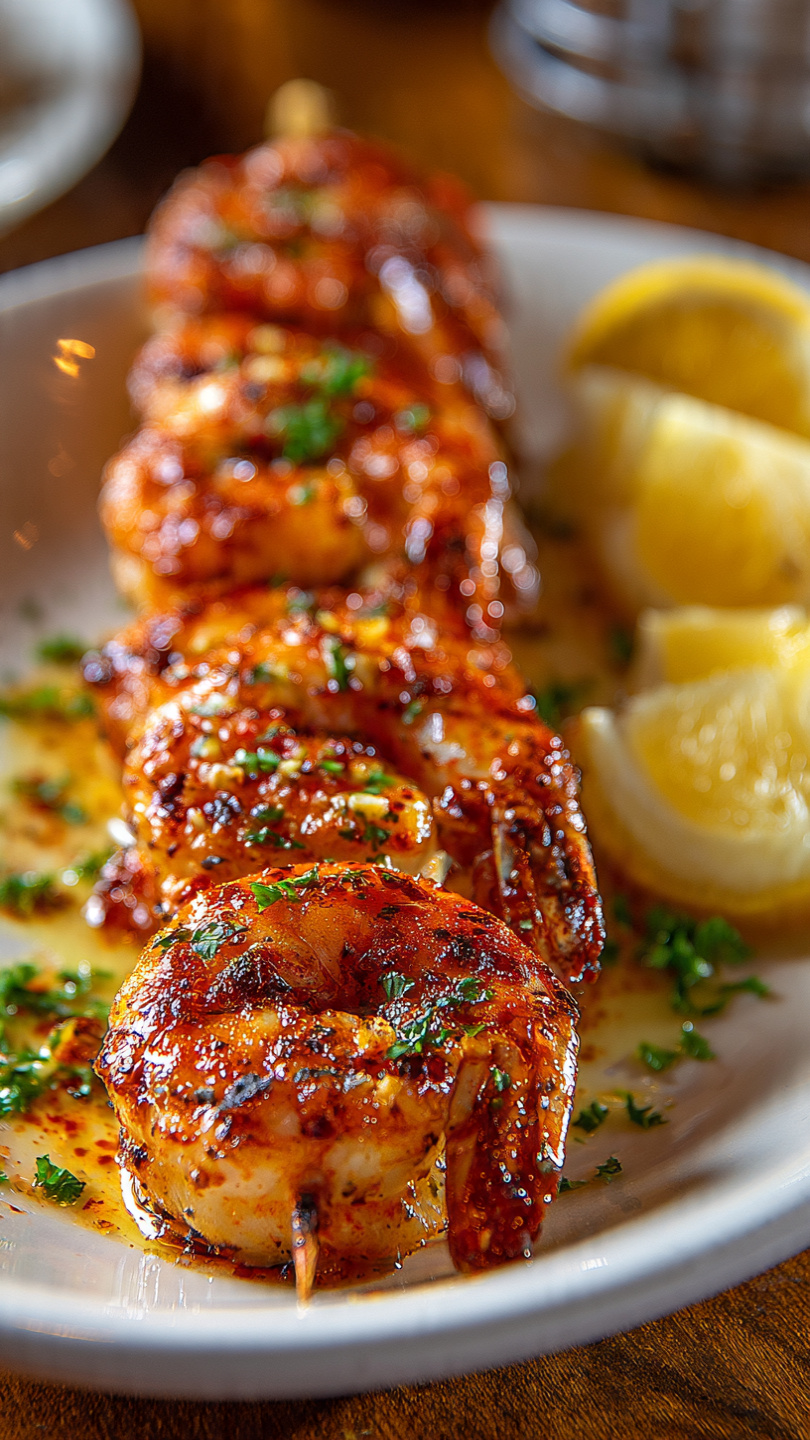
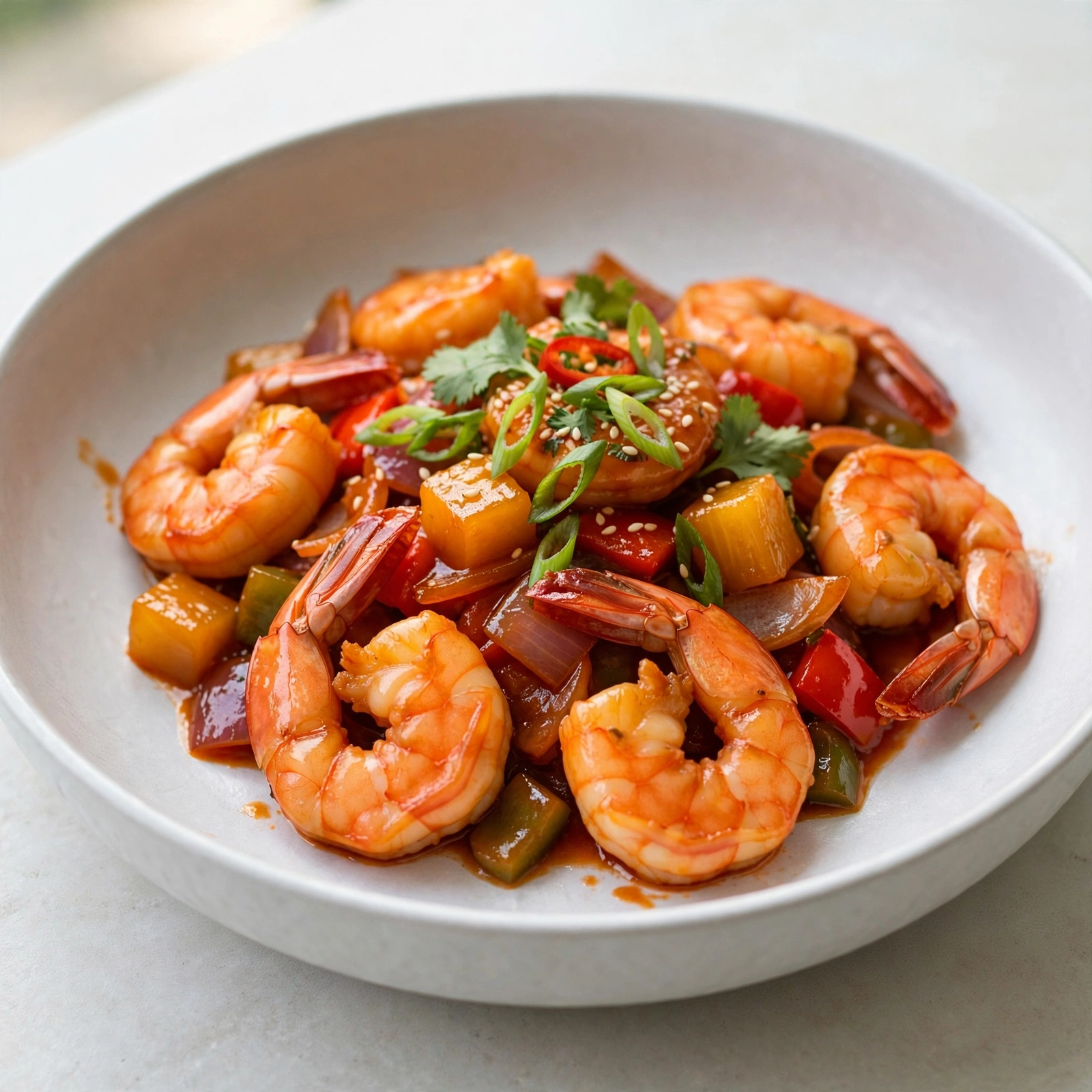
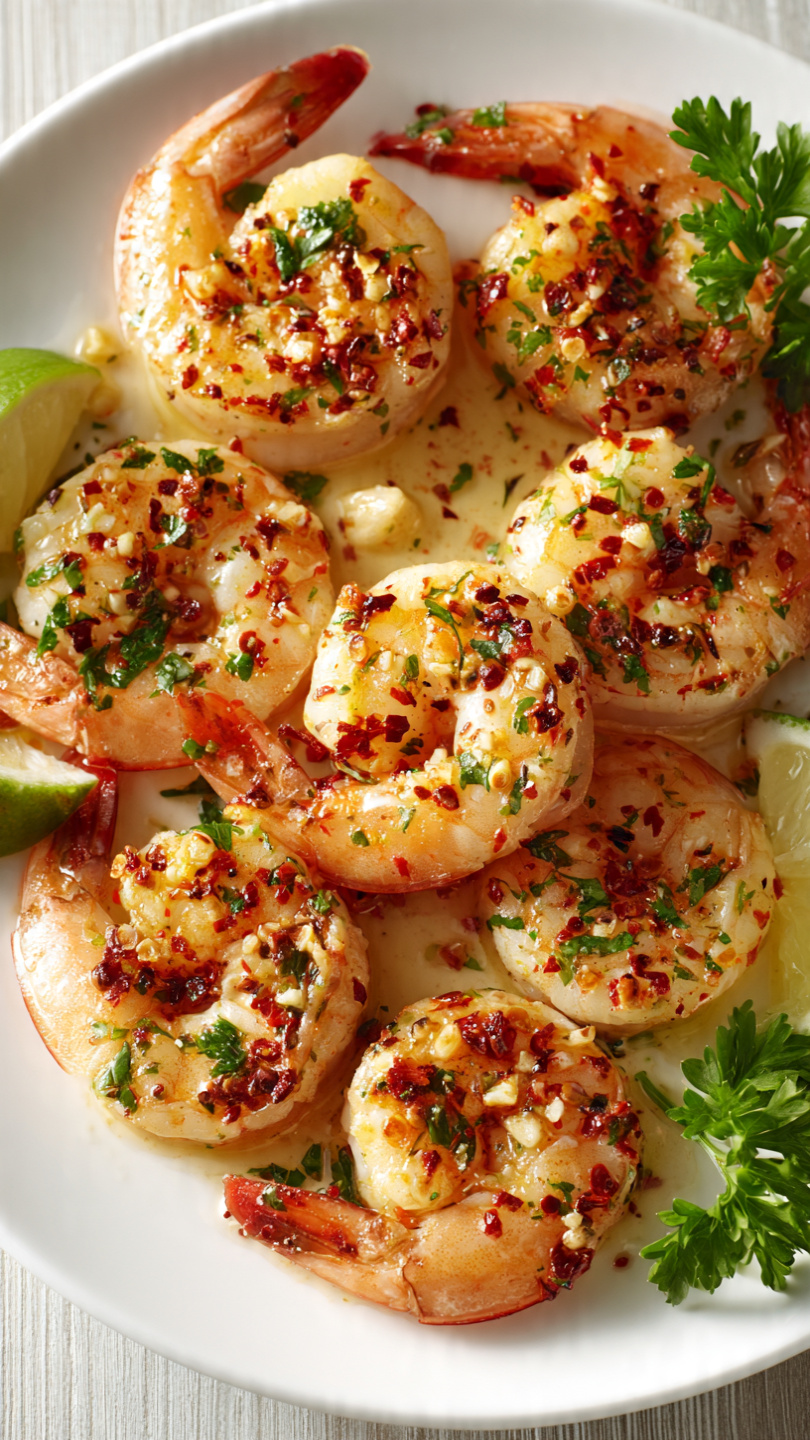
If you have been tossing shrimp shells in the trash after peeling a pound of shrimp, you have been throwing away liquid gold. Those papery pink shells are absolutely packed with flavor, and making a homemade shrimp stock from them is one of the most rewarding things you can do in a kitchen. In less than an hour, you can transform what most people consider scraps into a rich, aromatic shrimp broth that will elevate every seafood dish you make.
This shrimp stock recipe easy enough for a weeknight but impressive enough to anchor a restaurant-quality bisque or risotto. Whether you call it shrimp broth or shrimp stock, the process is the same: toast the shells, build aromatics, simmer low and slow, and strain to silky perfection.
Why Homemade Shrimp Stock Is Worth Making
Store-bought seafood broth exists, but it rarely comes close to the depth and brightness of a homemade shrimp broth recipe made from actual shells. Commercial versions tend to taste flat, overly salty, or vaguely "fishy" in an unpleasant way. Homemade shrimp stock, on the other hand, smells like the sea and tastes clean, sweet, and complex.
Here is what you get with a good homemade shrimp stock:
- Deep, sweet seafood flavor without being fishy or overpowering
- A gorgeous golden-pink color that gives your final dishes a beautiful hue
- Full control over sodium so you can season your finished dish properly
- Zero waste from your shrimp prep, which feels as good as it tastes
Once you have a batch in the freezer, you will reach for it constantly. It is the secret behind great homemade shrimp soup recipes, silky paella, and next-level shrimp scampi.
Having the right tools makes straining and storing your stock easy and mess-free. A fine-mesh strainer lined with cheesecloth gives you the clearest, most refined result, and a quality Dutch oven ensures even heat distribution during the toasting step.
The One Step Most Recipes Skip: Toasting the Shells
The single biggest difference between a mediocre shrimp stock and a spectacular one is toasting the shells before adding any liquid. When you cook the raw shells in a hot, lightly oiled pot for a few minutes, the shell proteins and natural sugars undergo a Maillard reaction. The color deepens, the aroma becomes nutty and oceanic, and the final stock takes on a richness that cold-water extraction simply cannot match.
Chef's Tip: Do not rush the toasting step. You want the shells to turn a deep, vibrant orange-pink and smell almost like popcorn before you add anything else to the pot. That color and aroma mean flavor.
If you have shrimp heads available, use them. Shrimp heads contain a concentrated pocket of fat and flavor that takes your stock from very good to extraordinary. This is why classic French and Spanish seafood stocks almost always call for heads-on shrimp.
How to Make Shrimp Stock From Shrimp Shells: Key Tips
Learning how to make shrimp stock from shrimp shells is mostly about understanding a few simple principles:
Keep the simmer gentle. A rolling boil will make your stock cloudy and can extract bitter compounds from the shells. You want lazy, occasional bubbles breaking the surface, nothing more.
Do not over-simmer. Unlike beef or chicken stock, which benefits from hours of cooking, shrimp stock is done in 30 minutes. Cooking it longer actually degrades the delicate flavor compounds and can make the stock taste bitter or chalky.
Skim the foam. In the first 5 to 10 minutes of simmering, grey foam will rise to the surface. Skimming it off keeps the stock clean and clear.
Use cold water, not hot. Starting with cold water allows impurities to rise slowly to the surface where you can skim them, rather than being cooked into the stock immediately.
Chef's Tip: Press gently on the solids when straining, but do not force them through the cheesecloth. Over-pressing can push fine particles into your finished stock and make it cloudy.
The Best Uses for Shrimp Stock
Once you know how to make shrimp broth, the uses for shrimp stock will surprise you with their range. Here are some of the best ways to put it to work:
- Shrimp bisque is the most classic use, and homemade stock makes it taste like it came from a French brasserie
- Seafood risotto benefits enormously from shrimp stock instead of plain chicken broth
- Paella and fideuà (the Spanish noodle version) are transformed by a richly flavored seafood base
- Shrimp scampi sauce becomes luxurious when a splash of shrimp stock replaces plain pasta water
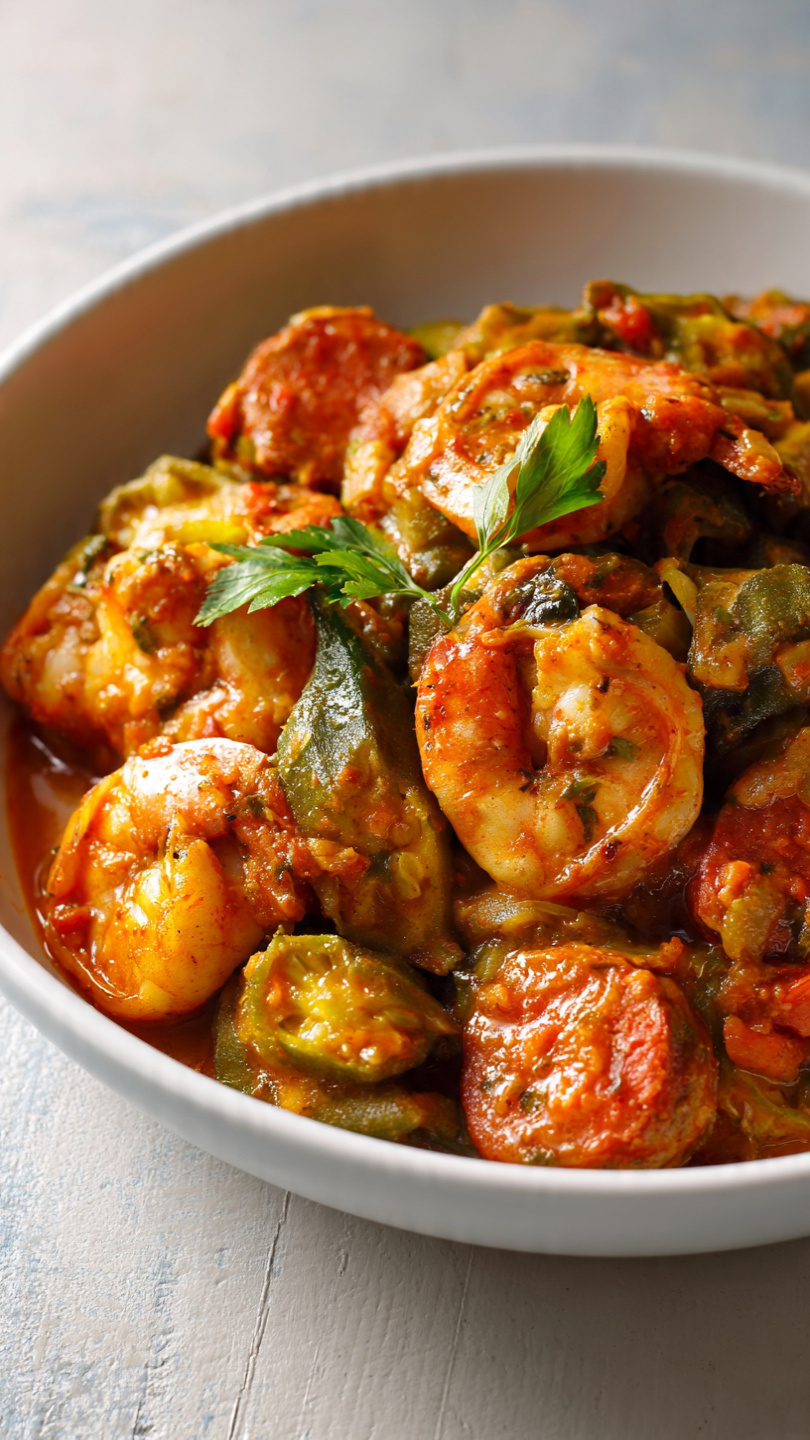
- Gumbo and étouffée hit a whole new level of depth with a homemade shrimp broth base
- Homemade shrimp soup recipes of any kind, from a simple Asian-inspired broth to a New England chowder
You can also use it anywhere a recipe calls for clam juice or fish stock, and the result will almost always be better.
Ready to make a batch? Here is the complete step-by-step recipe:
Homemade Shrimp Stock from Shells (Rich, Easy, and Full of Flavor)
Learn how to make a deeply flavorful homemade shrimp stock from shrimp shells in under an hour. This easy shrimp broth recipe is the secret base for bisques, risottos, paellas, and so much more.
Ingredients
- 2 cups shrimp shells, from about 1 lb of shrimp, heads included if available
- 1 tbsp olive oil, extra virgin
- 1 yellow onion, roughly chopped, no need to peel
- 2 celery stalks, roughly chopped, leaves included
- 1 medium carrot, roughly chopped
- 3 garlic cloves, smashed, unpeeled
- 1 tbsp tomato paste, optional but adds rich color and depth
- 1/2 cup dry white wine, such as Sauvignon Blanc or Pinot Grigio
- 6 cups cold water, filtered preferred
- 2 bay leaves, dried
- 4 fresh thyme sprigs, or 0.5 tsp dried thyme
- 1 tsp whole black peppercorns
- 1/4 cup fresh flat-leaf parsley stems, stems only, leaves reserved for another use
- 1/2 tsp kosher salt, adjust to taste at the end
Instruction
Rinse the shrimp shells under cold water and pat them dry with paper towels. If using shrimp heads, include them for even more flavor.
Heat the olive oil in a large stockpot or Dutch oven over medium-high heat. Add the shrimp shells and cook, stirring occasionally, for 3 to 5 minutes until they turn bright pink and smell toasty and fragrant. This step is called toasting the shells and it is the key to a deeply flavored stock.
Add the onion, celery, carrot, and garlic to the pot. Stir everything together and cook for another 3 minutes until the vegetables begin to soften.
Push the mixture to the side and add the tomato paste directly to the bottom of the pot. Let it cook undisturbed for about 1 minute until it darkens slightly, then stir it into the shells and vegetables.
Pour in the white wine to deglaze the pot, scraping up any browned bits stuck to the bottom. Let the wine reduce for 2 minutes.
Add the cold water, bay leaves, thyme, black peppercorns, and parsley stems. Stir to combine.
Bring the stock to a boil over high heat, then immediately reduce the heat to low. Skim off any foam or impurities that rise to the surface during the first 5 minutes.
Simmer gently, uncovered, for 30 minutes. Do not boil vigorously or the stock will become cloudy and bitter.
Remove the pot from heat and let the stock rest for 5 minutes. Strain through a fine-mesh strainer lined with cheesecloth into a large bowl or container, pressing gently on the solids to extract all the liquid.
Taste and adjust salt as needed. Use immediately, refrigerate for up to 4 days, or freeze in portioned containers for up to 3 months.
Equipment
- Large stockpot or Dutch oven (at least 6-quart)
- Fine-mesh strainer
- Cheesecloth
- Large bowl or container for straining
- Wooden spoon or silicone spatula
- Ladle
- Measuring cups and spoons
Notes
Storing and Freezing Your Shrimp Stock
One of the best habits you can build in the kitchen is keeping a stash of homemade shrimp stock in your freezer at all times. Freeze it in 1-cup or 2-cup portions using freezer-safe containers or zip-top bags laid flat. That way, you can grab exactly what you need without defrosting a large batch.
For the freezer bag method, label each bag with the date and volume. Shrimp stock frozen this way keeps beautifully for up to 3 months with no significant loss of flavor.
And remember: start collecting those shells now. Keep a zip-top bag in the freezer and toss your shells in after every shrimp dinner. Before long, you will have enough for a full batch of this liquid gold, practically for free.